Bali Beyond Seminyak: 7 Places That Still Feel Like the Real Bali
Dolan Editors
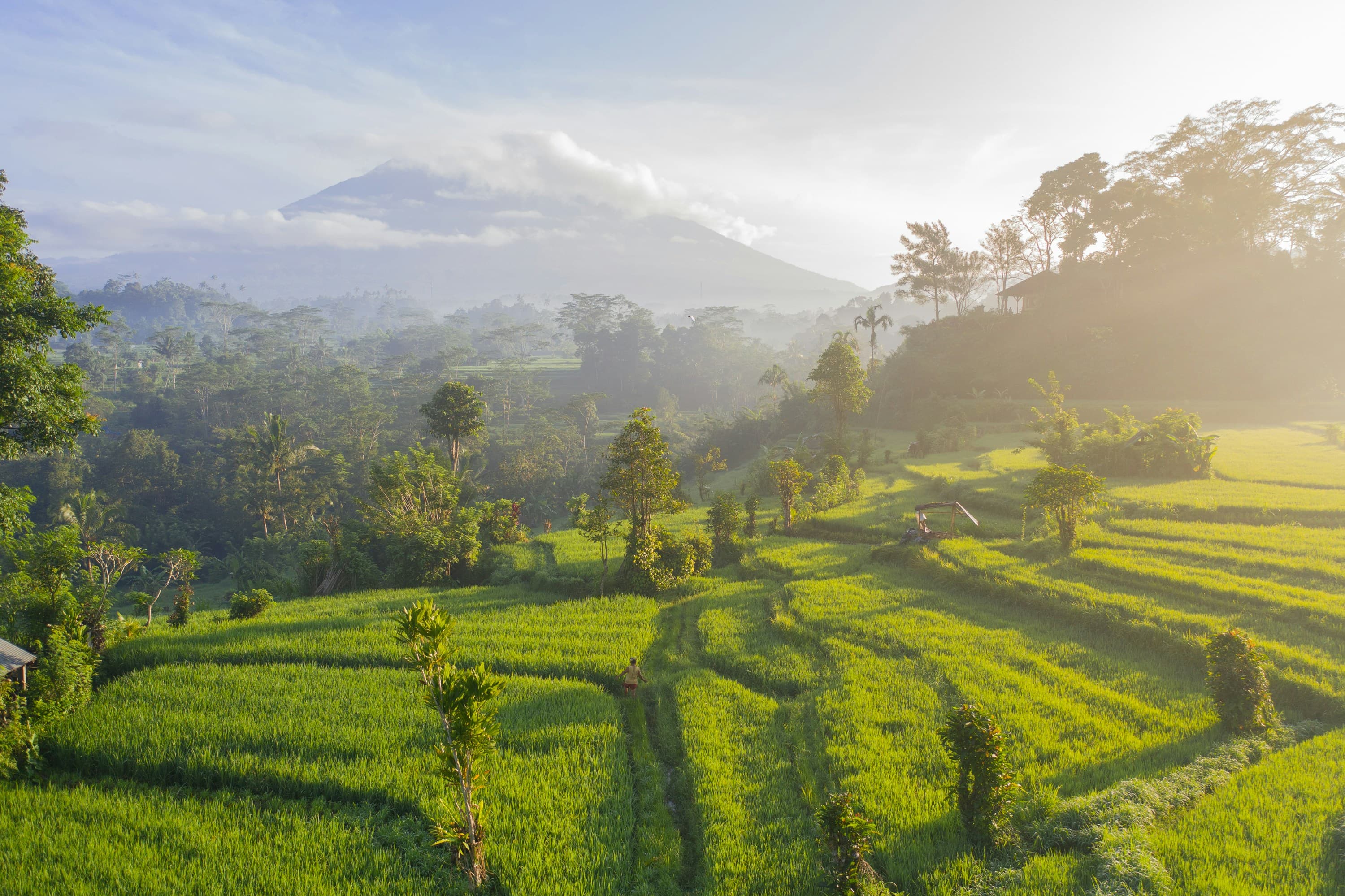
Bali is one of the most visited islands on earth. It's also one of the most misunderstood. Here are the places where the real thing still lives.
Let's be honest about Seminyak. The restaurants are good. The sunsets are spectacular. The hotels have pools that seem architecturally designed to make you feel like you've made the right life choices. There is nothing wrong with Seminyak.
But if you've come to Bali looking for the island that people fell in love with — the rice terraces, the offering ceremonies, the villages where a gamelan rehearsal drifts through your window at dusk — you won't find it there. You'll find it about forty minutes away, in places that most visitors never reach because they booked the beachfront villa and stayed put.
These are those places. Seven of them. Not hidden — Bali hasn't had a hidden anything since the early 2000s — but real, and still worth the drive.
In this guide |
The 7 Places
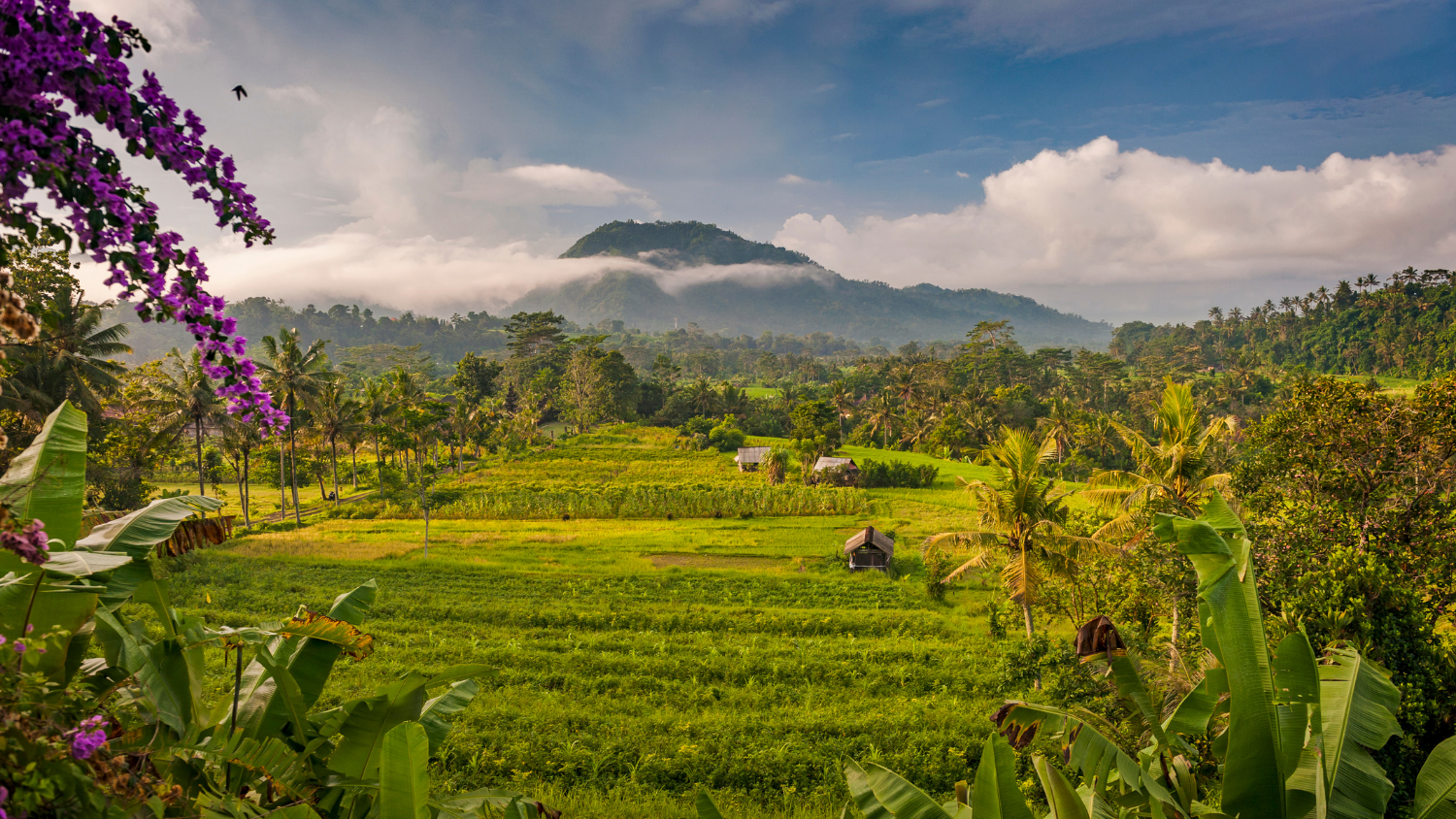
Sidemen Valley rice terraces
1. Sidemen Valley
What Ubud was twenty years ago
Sidemen sits in the eastern regency of Karangasem, cupped between the slopes of Gunung Agung and some of the most painterly rice terraces on the island. It is quiet in the way that Ubud used to be quiet: not empty, not undiscovered, but unhurried. There are no rooftop bars. There is excellent coffee, a few very good warungs, and the kind of morning light that makes you want to cancel your flights home.
The walk from the village down through the terraces to the river below takes about an hour and passes through working farms where women still weave the traditional endek fabric on backstrap looms outside their homes. It is, without question, one of the most beautiful walks in Bali — and almost nobody does it. Get a local guide from your guesthouse; they'll take you to corners no map covers.
2. Amed
Black sand, salt farmers, and the best wreck dive in Southeast Asia
Amed is a string of fishing villages along Bali's northeast coast, about two hours from Seminyak on roads that get progressively more spectacular the further east you go. The beach is black volcanic sand. The pace is slow to the point of feeling therapeutic. Jukung outriggers line the shore in the mornings before the fishermen head out, and the salt-making operations — traditional evaporation pans worked by hand — are still active along the beach at Kusamba, just down the coast.
The diving and snorkeling here is extraordinary. The USAT Liberty shipwreck at Tulamben, a short drive north of Amed, is one of the most accessible wreck dives on earth — it starts at around three meters depth, which means even snorkelers can see its outline from the surface. Underwater visibility is typically excellent, and the coral growth on the hull has been building for over eighty years. Come for one night and you'll extend to three.
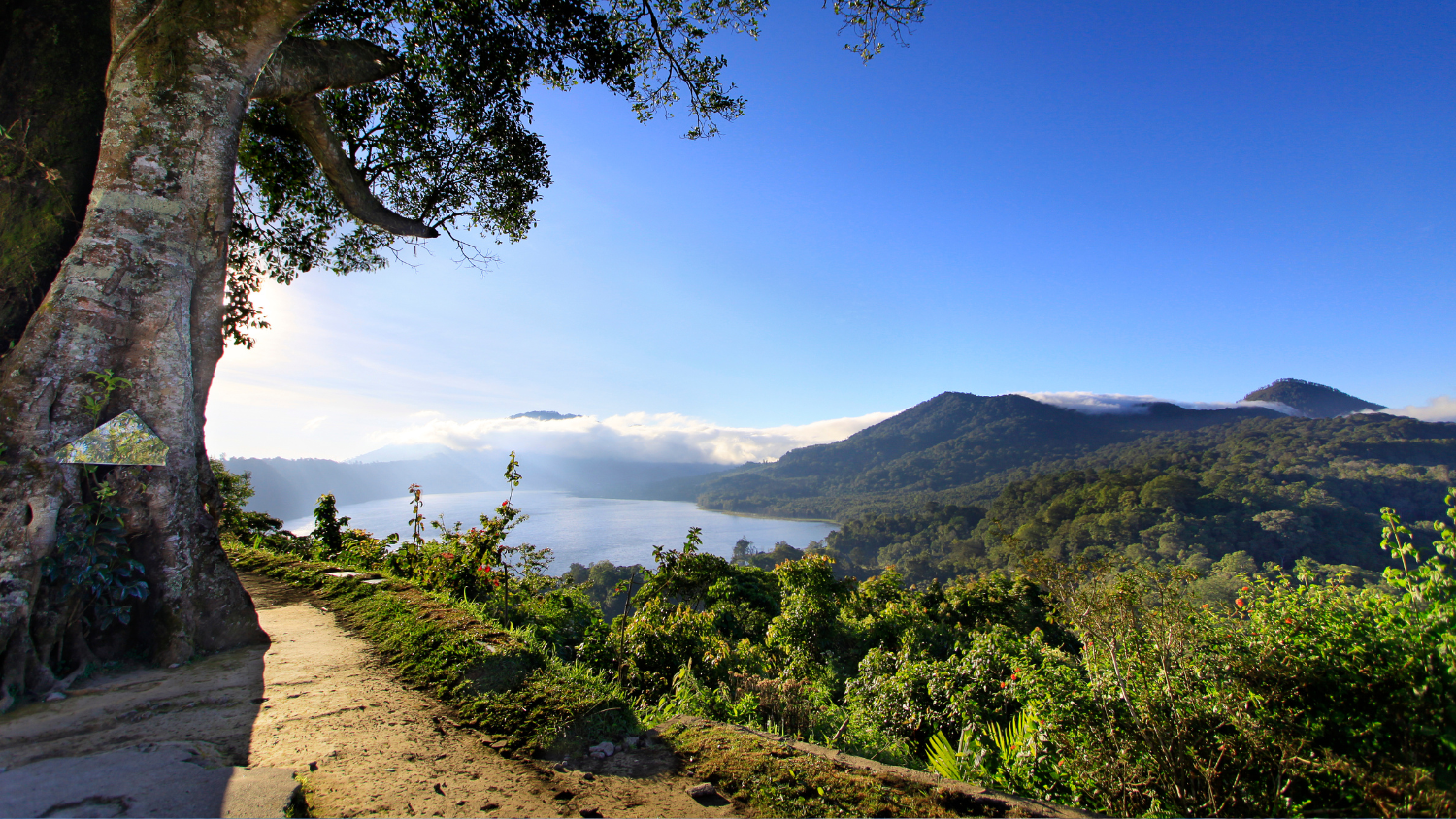
Mornings at Munduk
3. Munduk
The cool highlands nobody told you about
Munduk sits at around 900 meters elevation in Bali's central highlands, in a landscape that feels unlike anything on the southern coast. The air is cool enough to need a light layer in the evening. The hills are planted with clove, vanilla, and coffee. There are waterfalls — Munduk Waterfall, Melanting, Git Git — a short walk from most guesthouses, through forest that smells of frangipani and wet earth after rain.
The drive up from Lovina on the north coast passes Lake Tamblingan and Lake Buyan, a pair of crater lakes that sit side by side with almost no development around them. Stop here. Get out of the car. The silence is remarkable. Munduk is not a destination most first-time visitors plan for, which is precisely what makes it worth planning for.
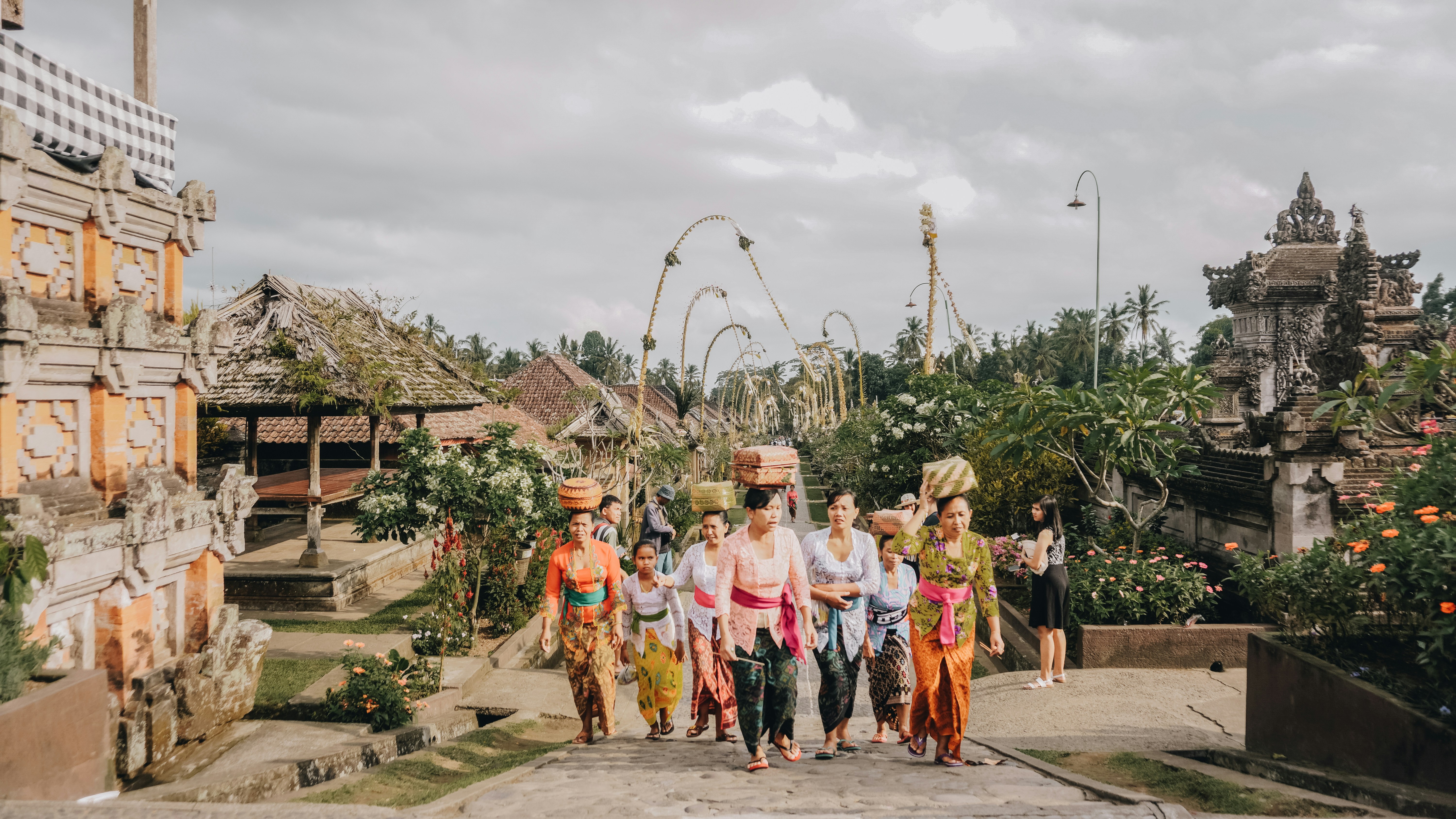
The streets of Penglipuran Village (photo by Ruben Hutabarat)
4. Penglipuran Village
One of the most intact traditional villages in Bali
Penglipuran is a traditional Balinese village in the Bangli regency that has been continuously inhabited and maintained in more or less the same layout since the 14th century. The main street is a single ceremonial axis lined with identical clan gates — bamboo-roofed, whitewashed, immaculate. Motorbikes are banned from the village center. Residents still live in the compounds behind those gates.
It gets day-trippers, yes — usually from tour buses that arrive around 10am and leave by noon. Go early (before 8am) or late afternoon and you'll have it largely to yourself. The bamboo forest at the northern end of the village is one of the more surreal natural experiences in Bali: tall, dense, and completely silent except for the sound of the bamboo shifting in the wind. The entry fee is nominal and goes directly to the village community.
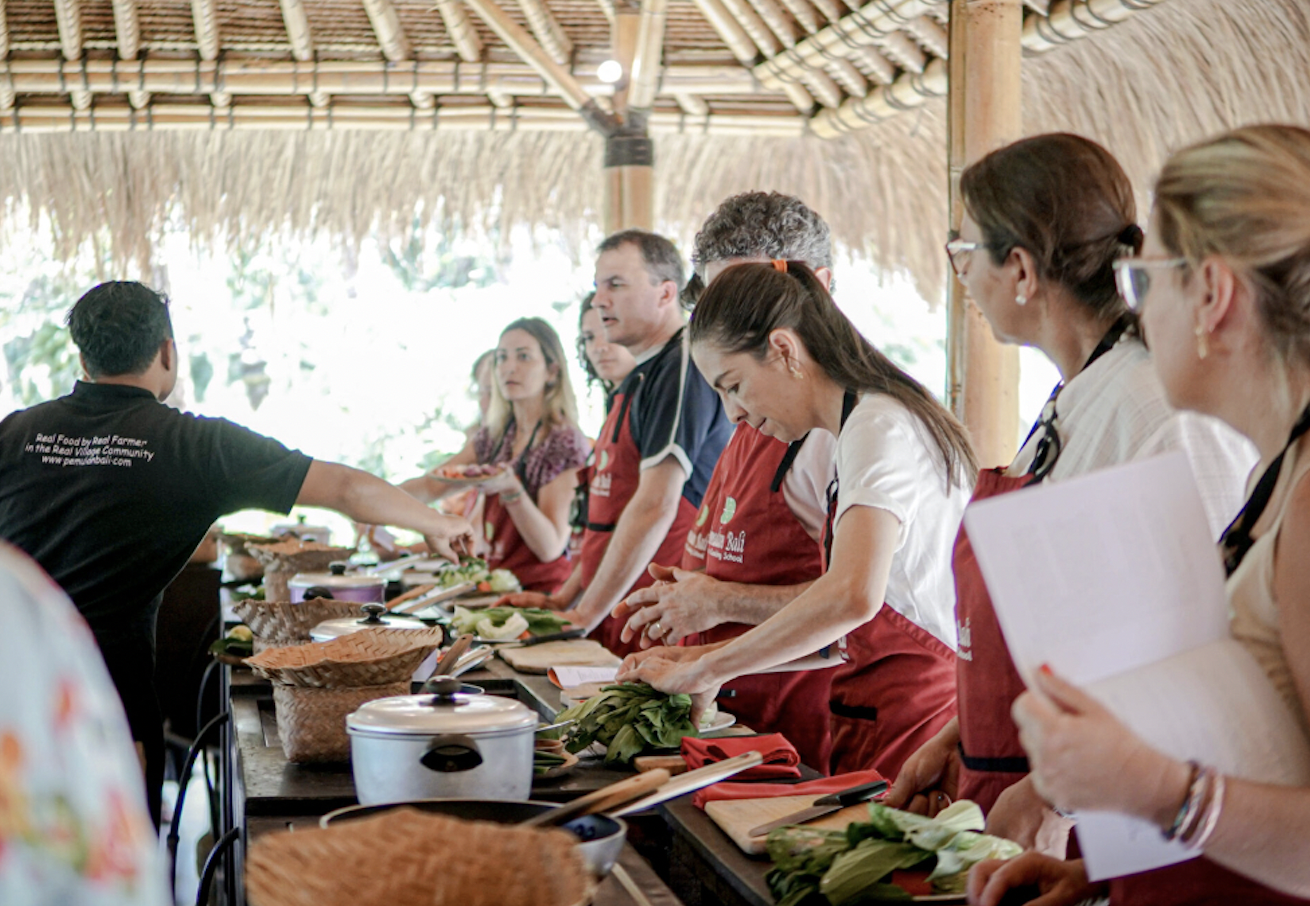
Cooking class at an organic farm in Ubud (Book on Dolan)
5. Ubud — But the version nobody talks about
The cooking classes, the farms, the tempeh museums — this is what Ubud actually is
Ubud's main street (Jalan Raya Ubud and its tributaries) has become its own kind of tourist infrastructure — yoga retreats, artisan coffee, crystal shops, acai bowls. All of it exists for a reason, and some of it is excellent. But Ubud's real character lives in the things you do outside the strip: in the kitchens of local families, in the rice paddies of Campuhan Ridge at 6am before the heat builds, in a working organic farm where the chef teaches you to cook with what was harvested an hour earlier.
The Campuhan Ridge Walk — a 9km path that winds along a jungle ridge above the confluence of two rivers — is one of the best urban walks in Southeast Asia and costs nothing. Do it at dawn. The Penestanan neighborhood, just west of the main road, is where many of Ubud's artists actually live and work; the galleries here are smaller, less commercial, and more interesting than the ones on the main strip.
✦ Book on Dolan |
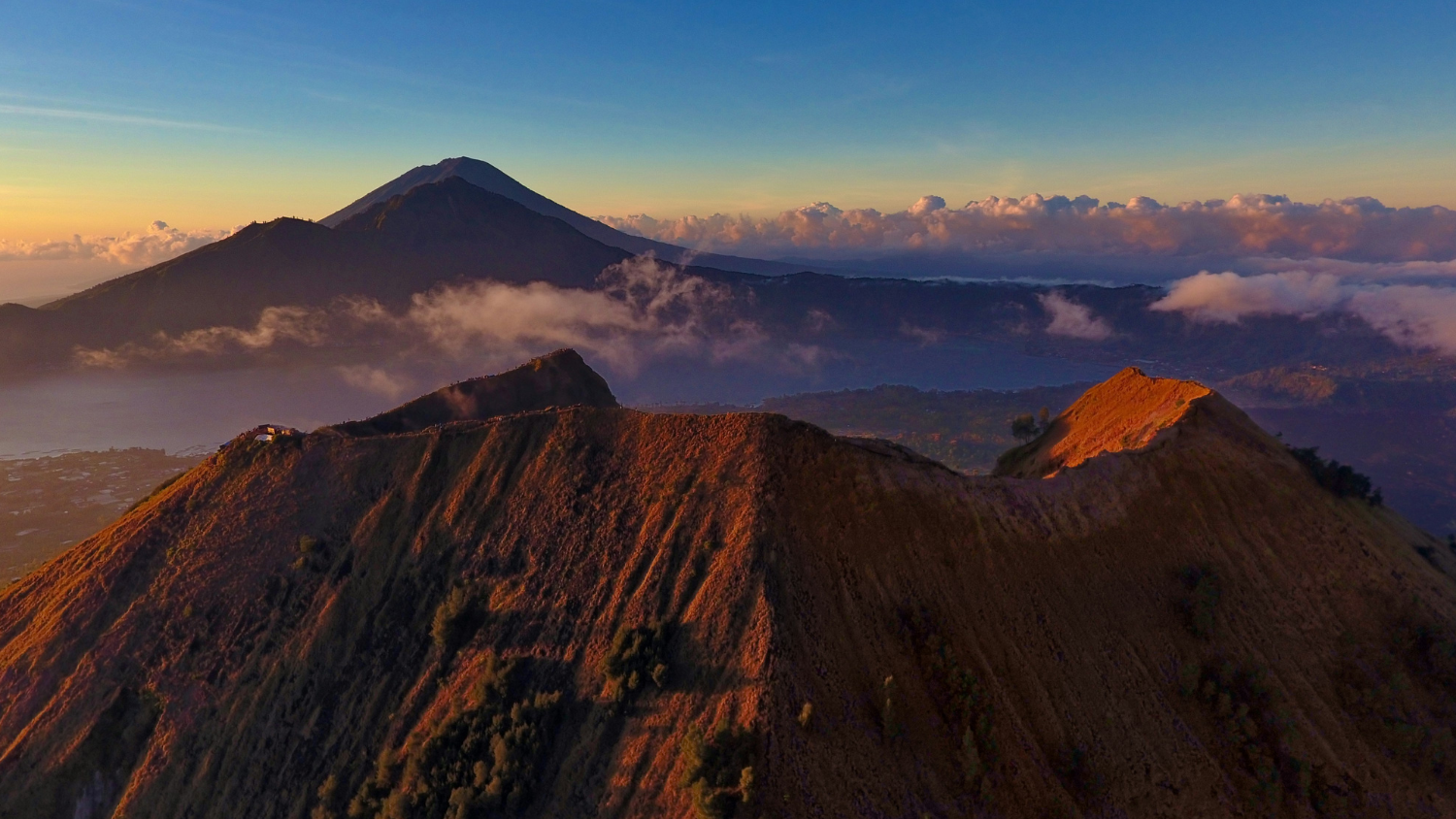
Sunrise at Mount Batur (photo by Dan the Drone)
6. Kintamani & Mount Batur
The volcano that rewards those who get up early
Kintamani is the highland district in Bali's north, dominated by the active volcano of Mount Batur and the vast ancient caldera it sits in. Lake Batur fills the caldera floor. The views from the crater rim, especially at dawn, are the kind that appear on the mood boards of travel editors and stay in your memory for years afterward.
The classic experience is a pre-dawn trek to Batur's summit — departing around 2am from the base, reaching the top for sunrise as the sky turns over the caldera and, on clear days, the silhouette of Agung on the horizon. It is spectacular and not technically demanding; most reasonably fit people complete it without difficulty. After the descent, the natural hot springs at the base of the volcano are the best possible argument for hydrothermal geology.
✦ Book on Dolan |
7. Nusa Lembongan
The island just offshore that most people save for 'next time' — don't
Nusa Lembongan sits about thirty minutes by fast boat from Sanur on Bali's east coast, and it has the feel of a destination that hasn't quite decided how developed it wants to be — which is a compliment. The beaches on the western coast (Mushroom Bay, Dream Beach) are legitimately beautiful. The snorkeling and diving around the island, particularly at Manta Point on the neighboring island of Nusa Penida, is world-class. And the pace is several gears slower than anything on the Bali mainland.
The seaweed farms that have operated here for generations are still visible in the shallows — rows of cultivated algae strung between bamboo stakes, tended by local families. It's a reminder that Lembongan was a working island long before the surf crowd arrived. Spend two nights minimum; one night is not enough to decompress properly. Rent a bicycle, not a scooter — the island is small enough that cycling is genuinely the best way to move around it.
The Bali worth the flight isn't the one on the billboard. It's the one forty minutes past it.
How to use this list practically
These seven places aren't a single itinerary — you can't do Amed and Munduk and Lembongan in three days without spending most of that time in a car. Think of them instead as orientations for how to structure your trip depending on what you're actually after.
If you have 7 days
Base yourself in or near Ubud for four nights — it gives you Penglipuran, the Campuhan Ridge, the organic farm, and easy access to Sidemen as a day trip. Add two nights in Amed for the coast and the wreck dive. That's a complete first Bali trip.
If you have 10–12 days
Add Kintamani as an overnight for the Batur trek, and finish with two nights on Lembongan before flying home. This itinerary covers the cultural heartland, the volcanic highlands, and the islands — a proper survey of what Bali actually is.
If you've been to Bali before
Munduk and Sidemen are your destinations. Stay somewhere small, walk a lot, and resist the urge to plan everything. The best things that happen in Bali tend not to be on itineraries.
Plan the real Bali with Dolan
Knowing where to go is the easy part. Knowing which guide actually knows Mount Batur's summit in the dark, or which farm in Ubud is worth the afternoon — that's where most trip planning falls short.
Curated Bali experiences on Dolan |
Frequently Asked Questions
What part of Bali should I avoid as a first-timer?
Kuta is worth mentioning honestly: it's Bali's original tourist hub and has aged into something that's purely transactional — mostly aimed at a party tourism market. There's no cultural experience to speak of, and the beach is not Bali's best. Skip it entirely unless you have a specific reason to be there. Legian and parts of Seminyak are considerably better, but even then, you'll get more from Bali by spending your nights further east or north.
How far is Sidemen from Ubud?
About 35–45 minutes by car, depending on traffic. It's an easy day trip from Ubud, or even better as an overnight stay — the guesthouses in Sidemen are genuinely good and significantly cheaper than equivalent quality in Ubud. The road through Klungkung is scenic enough to be part of the experience.
Is Mount Batur difficult to climb?
No — it's classed as a moderate trek, not a technical climb. The path is well-worn and guides are experienced. The main challenge is the 2am start and the steep loose-gravel section near the summit. Most reasonably fit adults complete it without difficulty. Poles help on the descent. The reward — watching the sun come up over the caldera while standing on an active volcano — is entirely disproportionate to the effort.
How do I get to Nusa Lembongan from Bali?
Fast boats depart from Sanur Beach on Bali's east coast, with crossings taking 30–45 minutes depending on conditions. Several operators run services throughout the day. Book in advance during peak season (July–August). The crossing can be choppy in the wet season — if you're prone to seasickness, take something before boarding.
What is the best way to get around Bali?
For longer distances, hire a private driver for the day — it's affordable (typically USD 40–60 for a full day), flexible, and local drivers often know places and shortcuts that no app will suggest. For shorter distances within towns like Ubud or Amed, Gojek and Grab work well. Scooter rental is popular but comes with real risk on Bali's roads — only consider it if you're genuinely comfortable on two wheels in busy traffic.
Dolan Editors
Author
Sharing insights on Indonesian travel, culture, and the communities that make this archipelago extraordinary.